
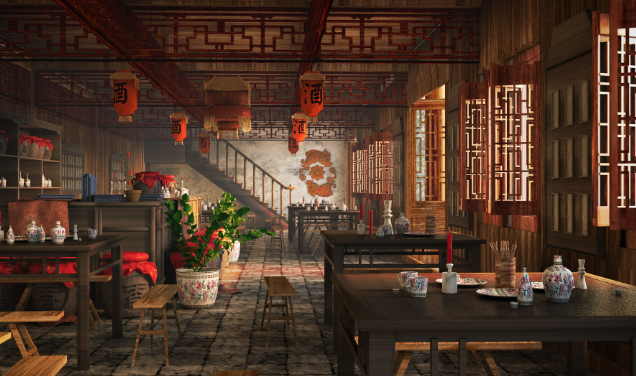
Chinese restaurant dining continues to evolve as chefs find new ways to connect traditional culinary heritage with contemporary tastes. Classic recipes remain important, yet modern restaurants newhongkongchineserestaurant.com can introduce updated presentations, lighter preparations, creative ingredient combinations, and refined dining concepts without losing the character of Chinese cuisine. This balance gives diners an opportunity to enjoy familiar traditions while discovering something unexpected. A menu may place handmade dumplings beside modern vegetable creations, traditional roasted meats alongside carefully plated seafood, or classic noodles with contemporary sauces. The result creates a dining experience that respects the past while responding to changing preferences. For curious food lovers, this meeting of heritage and modern taste makes Chinese restaurant dining especially engaging because every dish can carry a sense of tradition while offering a fresh perspective.
Traditional Recipes Keep Heritage Alive
Traditional recipes provide the foundation for many Chinese restaurant experiences. Dumplings, noodles, steamed fish, roasted meats, rice dishes, and various soups continue to appear because generations of cooks have refined their preparation. These dishes carry techniques and flavor combinations that connect modern diners with older culinary practices. Restaurants can preserve that connection while adjusting portions, presentation, or ingredient choices for contemporary audiences. The essential character remains recognizable even when the appearance feels more polished. This approach allows heritage to remain active rather than treating traditional food as something fixed in the past. Diners can enjoy familiar recipes while appreciating how restaurants continue to interpret them for today’s tables.
Modern Presentation Changes the Experience
Presentation can give traditional Chinese dishes a more contemporary identity. Instead of placing several portions together in a simple arrangement, modern restaurants may pay greater attention to plating, portion balance, color, and visual composition. A familiar roasted meat dish can appear with carefully arranged vegetables and sauces, while dumplings may receive an elegant presentation that highlights their shape and texture. These changes do not necessarily alter the essential flavors. They simply introduce another way for diners to appreciate the food. Modern presentation can also make traditional dishes more approachable for guests who encounter Chinese cuisine for the first time. The visual experience becomes part of the meal while the underlying culinary heritage remains visible.
Regional Heritage Adds Depth
China’s vast culinary landscape gives restaurants an enormous foundation for combining tradition with contemporary ideas. Cantonese cuisine often emphasizes freshness and delicate seasoning, while Sichuan cooking can bring aromatic spices and distinctive heat. Northern traditions include dumplings, noodles, and steamed breads, while other regions contribute seafood, rice dishes, fermented ingredients, and slow-cooked specialties. Modern restaurants can highlight these regional identities while adapting them to current dining preferences. Exploring regional dishes also prevents Chinese cuisine from becoming associated with one narrow style. Each region offers different ingredients and techniques, giving chefs more possibilities when creating dishes that respect heritage while appealing to modern palates.
Dumplings Connect Generations
Dumplings demonstrate how traditional food can remain relevant across generations. Families have long prepared dumplings together, making the process part of social and culinary traditions. Restaurants continue this legacy through steamed, boiled, pan-fried, and other varieties with fillings ranging from pork and shrimp to vegetables and mushrooms. Modern menus may experiment with presentation or introduce seasonal fillings while keeping the essential dumpling structure recognizable. The combination of craftsmanship and flexibility makes dumplings particularly suited to evolving tastes. Diners can appreciate the familiar concept while discovering how different fillings, sauces, and cooking methods create new experiences. A simple dumpling can therefore connect an established tradition with contemporary curiosity.
Noodles Adapt to New Preferences
Noodles offer another example of heritage meeting modern taste. Traditional noodle dishes can appear in soups, stir-fries, or savory preparations, but contemporary restaurants may adjust seasoning, toppings, or presentation to suit changing preferences. Handmade noodles can remain the centerpiece while chefs introduce vegetables, seafood, herbs, or lighter sauces. Different noodle textures also allow restaurants to create dishes that range from comforting to refined. The flexibility of noodles makes them ideal for experimentation without abandoning tradition. Diners who already enjoy familiar noodle dishes can therefore explore new combinations while still recognizing the culinary techniques that make the food distinctly Chinese.
Fresh Ingredients Support Modern Dining
Contemporary diners often pay close attention to freshness, ingredient quality, and balanced meals. Chinese cooking already provides strong foundations for these preferences through its use of fresh vegetables, seafood, herbs, aromatics, tofu, and carefully selected proteins. Restaurants can emphasize these ingredients through lighter sauces, gentle steaming, quick stir-frying, or seasonal menu changes. A fresh fish preparation with ginger and scallions, for example, can feel both traditional and modern because the dish highlights natural flavor without unnecessary complexity. Vegetable-focused plates can also bring color and texture to the table while supporting a broader range of dining preferences. This connection shows how traditional Chinese cooking can naturally adapt to modern expectations.
Classic Cooking Techniques Still Matter
Modern presentation does not eliminate the importance of traditional cooking techniques. Stir-frying still depends on high heat and precise timing, while steaming can preserve the natural qualities of delicate ingredients. Braising develops tenderness and allows flavors to deepen, while roasting creates rich aromas and appealing textures. These techniques give chefs a reliable foundation for contemporary creativity. A modern dish can change its presentation or supporting ingredients while retaining the method that defines its character. Diners may notice this balance when a restaurant presents a beautifully arranged dish that still delivers the texture and aroma associated with traditional Chinese cooking. Technique remains the thread connecting innovation with heritage.
Tea Bridges Past and Present
Tea continues to hold an important place within Chinese dining and can easily fit into both traditional and modern restaurant settings. Jasmine tea, green tea, oolong, and pu-erh offer different aromas and levels of intensity that can complement a wide range of dishes. A contemporary restaurant may present tea through a refined service style, yet the cultural connection remains intact. Tea also provides a refreshing contrast to rich sauces, fried foods, and roasted meats. Sharing a pot can create natural pauses during a meal and encourage conversation. This combination of ritual and flexibility demonstrates how an old tradition can remain relevant within a modern dining environment.
Sauces Create Contemporary Possibilities
Sauces provide chefs with plenty of room to introduce modern interpretations while preserving familiar flavor foundations. Soy sauce contributes savory depth, vinegar provides acidity, sesame adds nuttiness, and chili creates heat. Chefs can combine these traditional elements with fresh herbs, seasonal produce, or lighter preparations to create new profiles. A familiar ingredient can therefore feel completely different when paired with another sauce or texture. Modern diners may appreciate this flexibility because it allows restaurants to create bold flavors without abandoning recognizable culinary roots. Thoughtful sauce combinations can bridge the gap between traditional expectations and contemporary preferences, giving classic ingredients a fresh role on the menu.
Vegetables Gain a Larger Role
Vegetable dishes can demonstrate particularly well how Chinese restaurants respond to modern dining habits. Traditional cooking already offers numerous techniques for preparing vegetables, including stir-frying, steaming, braising, and quick blanching. Modern restaurants can build on these methods with seasonal produce, creative plating, and more varied vegetable combinations. Mushrooms, Chinese broccoli, bok choy, eggplant, snow peas, and leafy greens can each provide distinctive textures and flavors. These dishes can also balance richer selections such as roasted duck or fried dumplings. Giving vegetables more attention does not require abandoning Chinese culinary traditions. Instead, it highlights techniques that have always allowed cooks to turn simple produce into flavorful dishes.
Shared Dining Remains Relevant
Communal dining continues to connect traditional Chinese restaurant culture with contemporary social life. Sharing several dishes allows diners to experience different flavors while creating opportunities for conversation. A modern table might include classic dumplings, regional noodles, contemporary vegetable dishes, seafood, and a traditional roasted specialty. Everyone can sample different selections and discover personal favorites. This format also works well for changing tastes because diners can choose dishes according to their individual preferences while still eating together. The shared table remains a strong cultural feature even when restaurants introduce modern interiors, updated menus, or refined presentation. The setting may evolve, but the social purpose of dining together remains remarkably consistent.
Heritage Inspires Culinary Creativity
Chinese restaurant dining becomes especially interesting when chefs treat heritage as a source of inspiration rather than a limitation. Traditional techniques can support new ingredient combinations, while regional recipes can inspire contemporary presentations. Familiar flavors can appear in lighter preparations, and classic dishes can receive subtle changes that make them feel fresh without losing their identity. This creative process allows restaurants to serve diners who appreciate tradition as well as those looking for something different. The most successful modern interpretations often maintain a recognizable connection to their origins. That balance gives each dish a sense of continuity while allowing the restaurant to express its own culinary personality.
A New Taste Built on Tradition
Chinese restaurant dining shows how culinary heritage can remain vibrant while adapting to modern tastes. Traditional recipes provide familiarity, regional cuisine adds diversity, and classic techniques preserve the character of each preparation. Modern presentation, fresh ingredients, creative sauces, and expanded vegetable selections introduce new possibilities without erasing the foundations of Chinese cooking. Tea and communal dining further connect contemporary restaurant experiences with long-standing customs. For diners, this combination creates an appealing middle ground between recognition and discovery. A familiar dish can feel fresh, while an innovative creation can still carry traces of the tradition that inspired it.