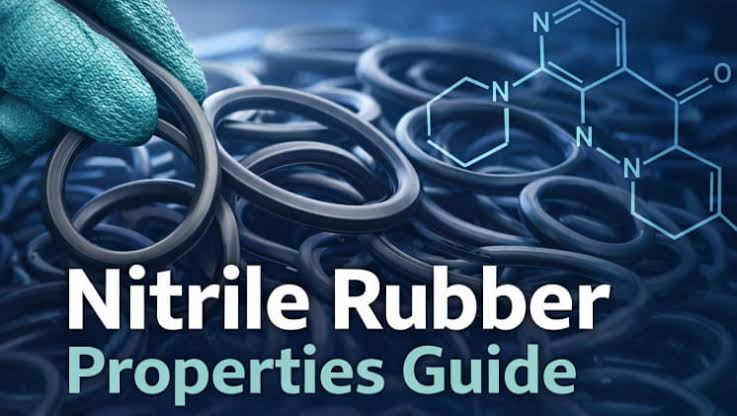
Nitrile rubber is a synthetic material valued for its resistance to oils, fuels, and many chemicals. Manufacturers produce it by combining acrylonitrile and butadiene, creating a flexible compound for demanding industrial environments. Its durability and adaptability make it useful in automotive production, healthcare, manufacturing, and other sectors. For hand protection, https://www.glovesupply.us/ offer a practical option for workers performing various tasks.
How Nitrile Rubber Is Manufactured
Known as nitrile butadiene rubber (NBR), this material forms through the polymerization of acrylonitrile and butadiene. Each component contributes different characteristics to the final compound.
Acrylonitrile improves resistance to oils, fuels, and certain chemicals, while butadiene contributes flexibility and resilience. Manufacturers adjust the ratio of these ingredients to achieve specific performance characteristics. A higher acrylonitrile content generally improves oil resistance but may reduce flexibility at lower temperatures.
Production methods and processing conditions also influence strength, elasticity, and durability. This flexibility in formulation allows manufacturers to develop compounds for different industrial requirements.
Important Material Properties
Resistance to petroleum-based substances is one of this material’s most valuable characteristics. This quality makes it suitable for components that regularly encounter oils, lubricants, and fuels. It also offers useful resistance to abrasion and repeated mechanical stress.
Another advantage is its versatility. Depending on the formulation, the material can balance flexibility, strength, and wear resistance. However, it does not perform equally well in every environment. Certain solvents, strong oxidizing chemicals, prolonged sunlight exposure, and extreme temperatures may affect its condition.
Choosing an appropriate compound requires careful consideration of the chemicals, temperatures, and physical stresses involved in the intended application.
Industrial Applications of Nitrile Rubber
Automotive manufacturers use NBR in fuel hoses, oil seals, gaskets, and O-rings. These components help prevent leaks and maintain reliable operation in systems exposed to petroleum-based fluids.
Industrial facilities also use it for seals, conveyor components, and protective parts. Suitable formulations can withstand repeated contact with oils and mechanical movement, making them useful in demanding operating environments.
Healthcare and laboratory settings rely on this synthetic material for disposable examination gloves. These products provide a barrier against many common contaminants when users select the appropriate glove and follow proper handling procedures. Businesses looking for industrial nitrile glove supplies should compare product specifications and intended uses before making purchasing decisions.
What Influences Product Durability?
Performance depends on the formulation, manufacturing quality, and conditions in which a product operates. Temperature changes can affect flexibility, while prolonged contact with incompatible chemicals may cause swelling, hardening, or deterioration.
Manufacturers and buyers should review technical data before selecting a product. Chemical compatibility charts, temperature ratings, and material specifications can help determine whether a particular option suits the working environment.
Products made from the same base material may also serve very different purposes. An automotive seal, for example, may require different properties from a disposable examination glove. Understanding these differences helps businesses choose materials that meet their operational needs.